Choosing and Caring for Materials: Brushes, Papers, and Pens
Choosing and Caring for Materials: Brushes, Papers, and Pens
Materials shape work in visible ways. Choosing tools that suit your habits and maintaining them well pays dividends in consistency and enjoyment. The following guidance focuses on durable choices and straightforward care routines that work across media.
Selecting brushes
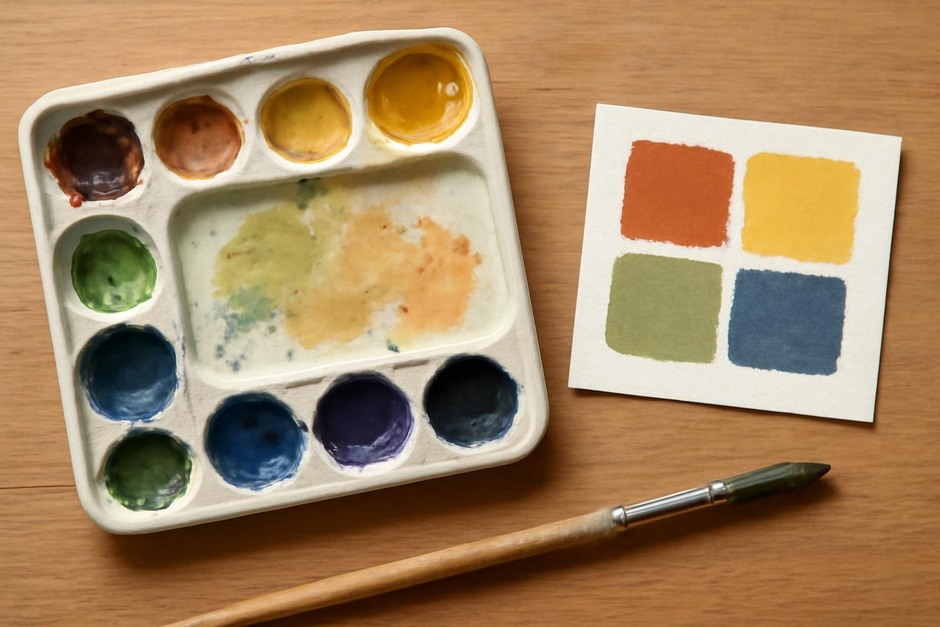
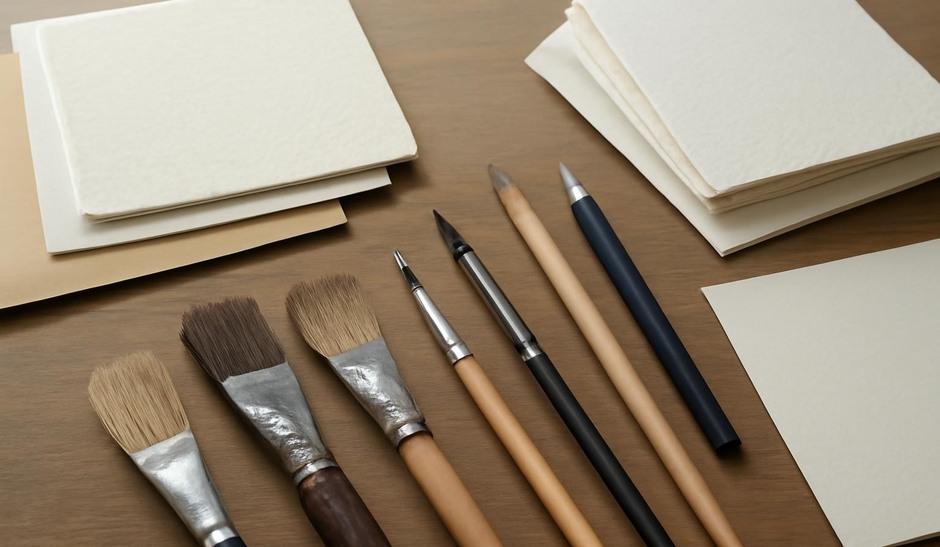
Consider shape, hair type, and size. Synthetic brushes are often resilient and suitable for both water-based and acrylic media. Natural hairs, such as hog or sable, hold particular textures and spring that may suit watercolour and oil. Choose a few reliable shapes—round and flat—and a couple of sizes that cover most tasks. A very large selection is rarely necessary early on; a compact, trusted set is more useful.
Paper choices and how to test them
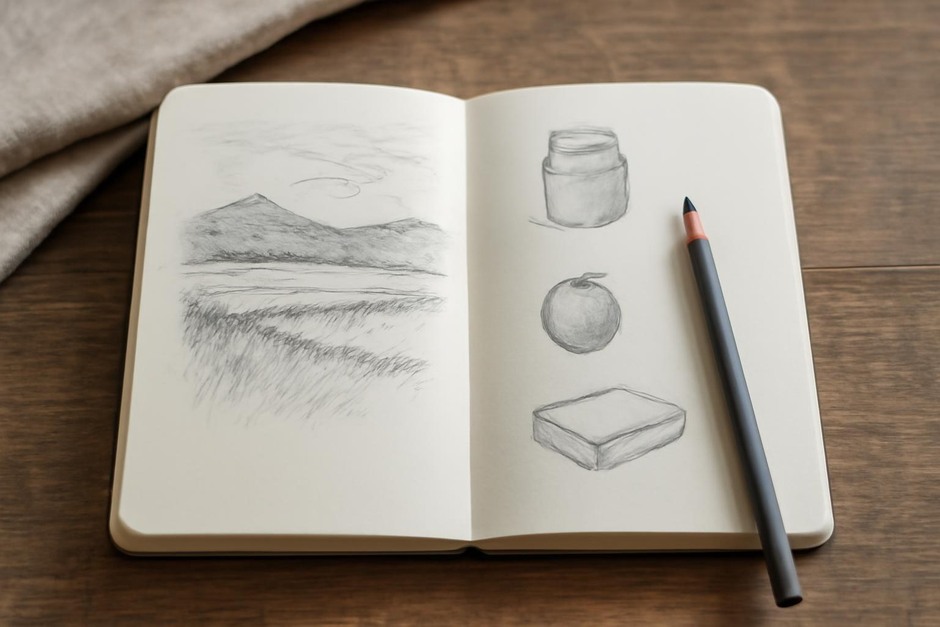
Paper differs in weight, surface texture, and sizing. For drawing, weigh tooth and stiffness relative to your chosen media. For wet media, heavier paper with sufficient sizing resists buckling. Test papers by making small washes or layers to see how they absorb and lift pigment. Keep swatches and notes to recall which surface responded best to particular techniques.
Selecting pens and drawing tools
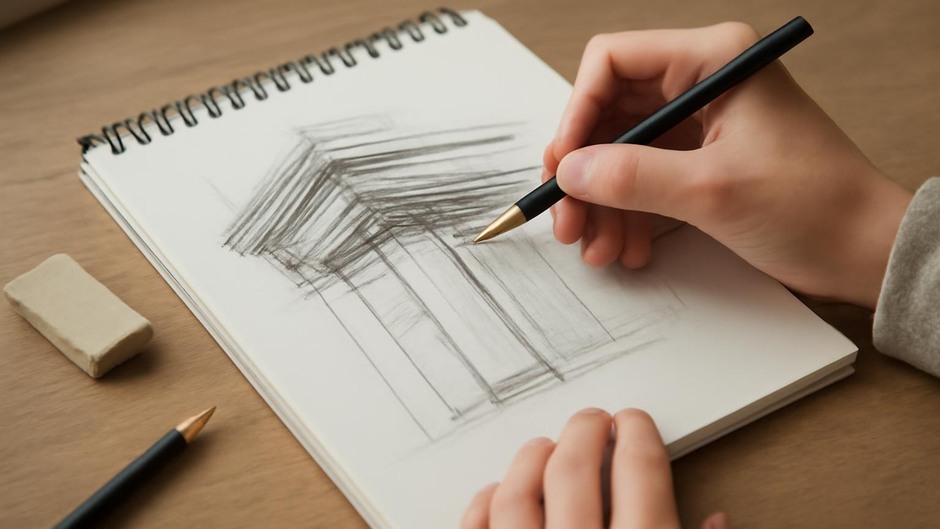
For line work, choose pens that match the interaction you want: precise technical pens for controlled lines, brush pens for expressive marks, and felt-tip pens for consistent strokes. Mechanical pencils with quality leads offer predictable line weight. Test tools on the papers you use to ensure the nibs and tips do not snag or feather.
Basic care routines
Simple, regular care prolongs tool life. For brushes: rinse thoroughly after use, reshape the hairs, and dry horizontally or bristle-down to prevent water from loosening glue in the ferrule. For pens: clear ink passages with appropriate cleaners and avoid leaving pens uncapped. For papers: store flat or in a vertical file to prevent bending, and keep sheets away from prolonged humidity.
Repair and small adjustments
Minor repair can restore performance. Re-gluing or replacing ferrules is best left to professionals, but reshaping brushes and replacing worn eraser crumbs are easy tasks. For brushes that flatten, a gentle steam shape can help restore spring. For pens, flushing with water or a recommended solvent removes dried pigment.
Economy and sustainability
Quality does not always mean expense. Look for brands with consistent reputations and test small items before committing to large sets. Maintain consumables thoughtfully: cut a few sheets from bulk paper for practice and save archival sheets for finished work. Repair when practical and choose materials with predictable longevity.
Build a small kit and rotate tools
Having a compact, familiar kit reduces start-up friction. Rotate tools through regular use to avoid degradation from prolonged inactivity. Keep a few spare essential items on hand—an extra brush, a set of pencil leads—to avoid interruption when a tool fails.
Materials are partners in a practice. Choosing tools that fit your method and caring for them consistently creates a stable foundation for steady work. Small routines and thoughtful selection make the creative process smoother and more reliable.