Visual Culture and Everyday Making: Noticing the Ordinary
Visual Culture and Everyday Making: Noticing the Ordinary
Visual culture surrounds daily life: signage, packaging, architecture, textiles, and the materials that weather our routines. Learning to see this culture enriches creative practice by providing a steady supply of references, compositional ideas, and material insights. The following strategies encourage purposeful noticing and simple ways to integrate observations into making.
Carry a small observation kit
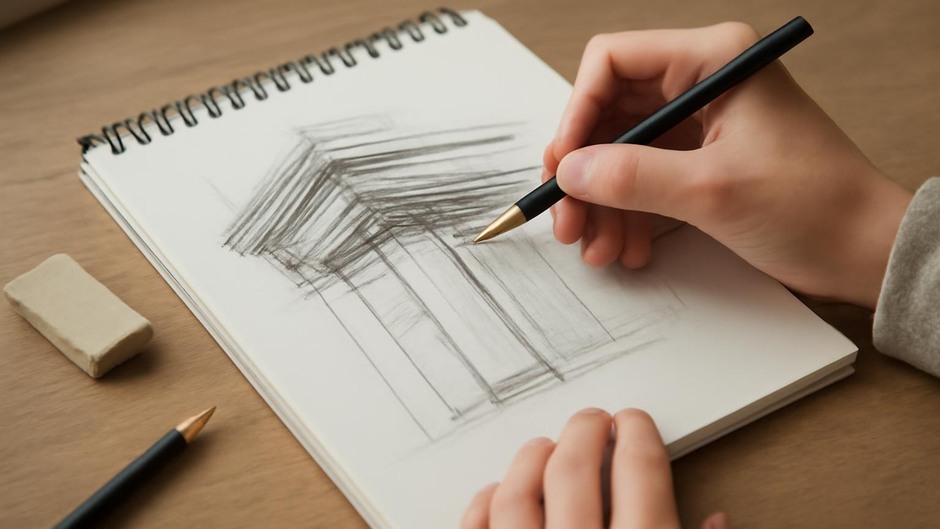
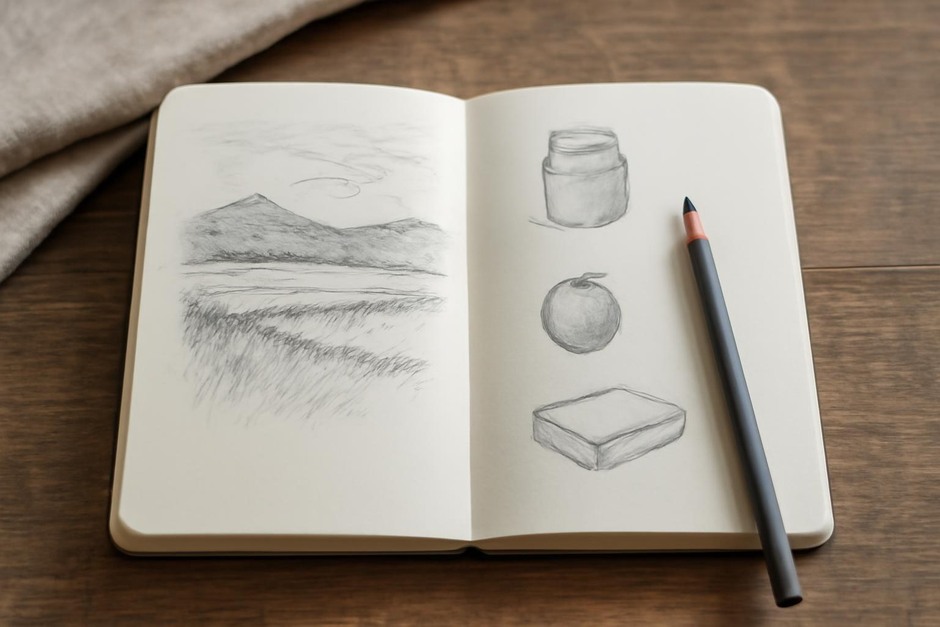
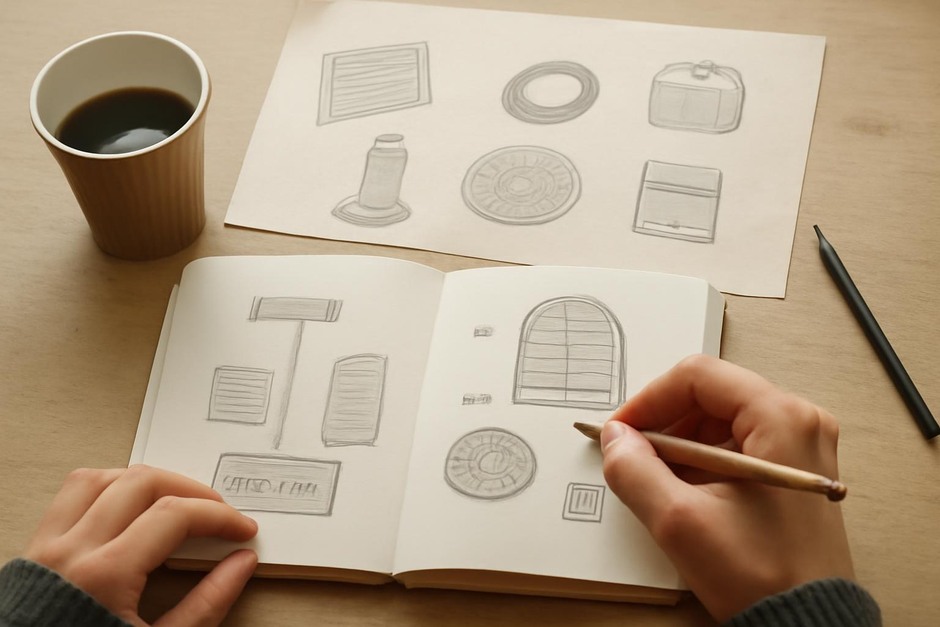
A compact kit—sketchbook, small pen, and a phone camera if desired—makes it easy to record details. The goal is not to reproduce everything but to gather raw material. Quick sketches, colour notes, and small photographs capture texture, rhythm, and proportion that can be translated into studio work later.
Develop a noticing routine
Set a gentle routine for looking: a daily ten-minute walk with the intention of finding one interesting texture, pattern, or colour combination. Record it. When practiced consistently, such routines build a habit of noticing the visual language of ordinary environments.
Study design decisions
Objects and signs often reveal design choices made for clarity, durability, or economy. Look at typographic scales on signs, the way furniture joints are designed, or how packaging folds. Asking practical questions—Why was this material chosen? How does the form serve function?—builds analytical sight that informs your own work decisions.
Collect and categorize
Collect small samples when appropriate: a tag, a scrap of patterned paper, a fallen leaf. Organize these into categories: texture, colour, motif, or construction detail. A modest archive of found items becomes a tactile reference that can inspire textures, patterns, or compositional elements in future pieces.
Translate observations into experiments
Turn noticed elements into brief studio experiments. A façade rhythm becomes a compositional study in value; a packaging hinge suggests a mixed-media hinge or fold in a book project. Small, targeted experiments reconnect observation to making and test how real-world details function in your chosen media.
Reflect on cultural context
Visual culture carries practical and cultural meanings. Simple reflection—recording a short note about where an object was found and how it was used—adds depth to your observations. This context can be useful when ideas move from reference to narrative or design decisions.
Make sharing optional and selective
Noting everyday culture does not require broadcasting every discovery. A private archive of studies and samples is often more productive than a continuous public stream. Selectively curate what you keep and develop, focusing on elements that genuinely intrigue you.
Noticing the ordinary is an ongoing practice that expands your visual vocabulary. By carrying a small kit, practicing brief observation routines, and translating findings into experiments, you build a rich resource for creative work. The ordinary, when observed with care, yields enduring material for thoughtful making.